
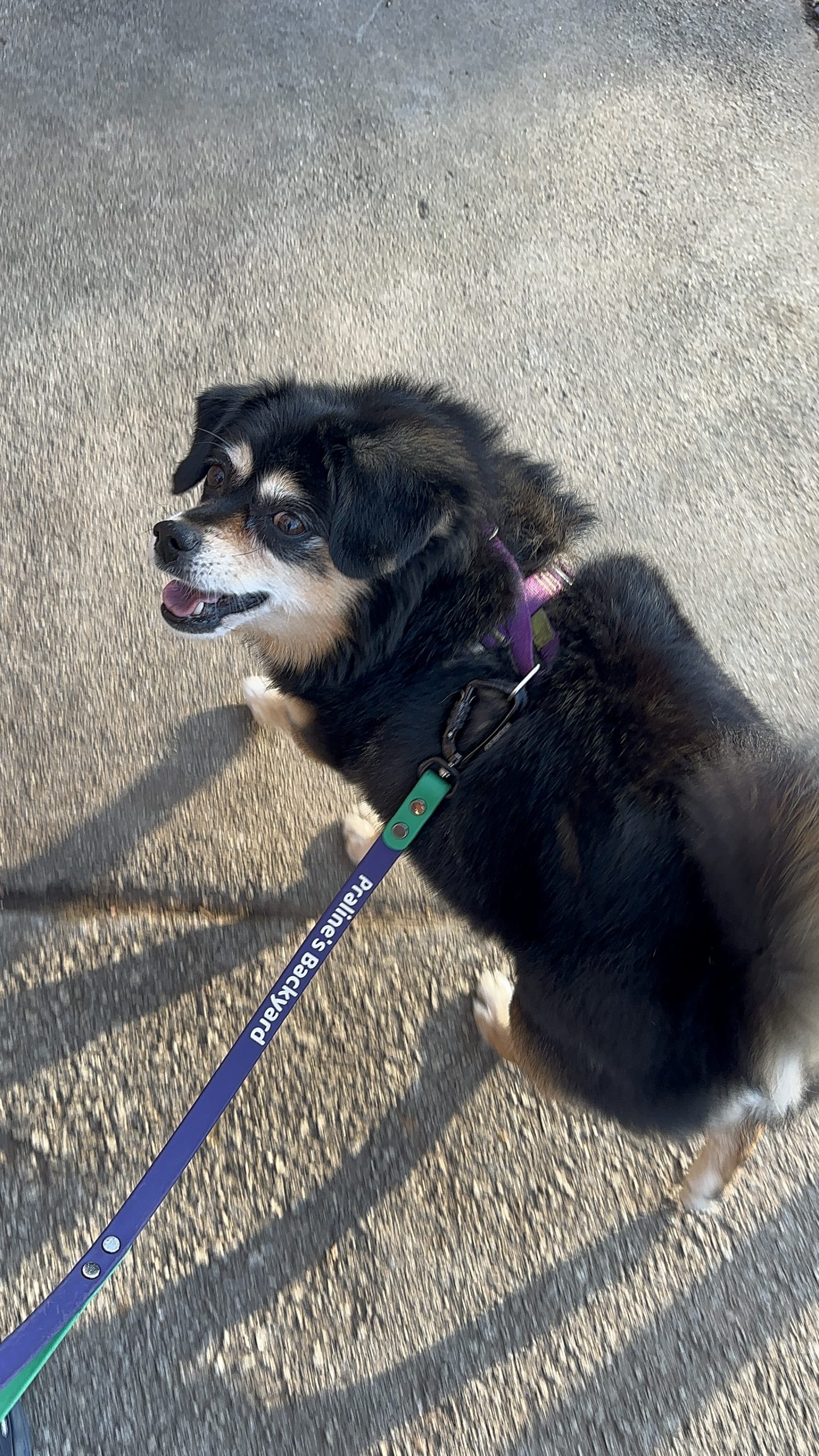
If you live in Atlanta and have a dog, you’ve probably heard some version of this advice:
“They need to be around other dogs to be socialized.”
“Doggie daycare will fix it.”
“They’ll get used to it eventually.”
And while those statements sound logical, they often leave dog parents feeling confused when their dog comes home from daycare overstimulated, exhausted, or suddenly reactive in situations that seem small.
The truth is, socialization is one of the most misunderstood parts of dog care, especially in a busy city like Atlanta.
Socialization is not a place.
It’s not a single stage.
And it’s definitely not one-size-fits-all.
The Pressure Atlanta Dog Parents Feel
Most dog parents we work with aren’t lacking effort or love.
They’re juggling demanding careers, long commutes, unpredictable schedules, and a city that doesn’t slow down just because you have a dog at home. You want your dog to be confident, adaptable, and comfortable in the world, even when your time is stretched thin.
And when your dog reacts to a loud noise, a stranger, or another dog, it’s easy to wonder if you did something wrong or missed a critical window.
But here’s the important reframe:
Struggling in certain situations doesn’t mean your dog isn’t socialized.
It often means they haven’t been supported in the right ways for who they are.
What Socialization Really Means
Socialization is not about flooding dogs with interaction.
According to veterinary behavior research and organizations like the American Veterinary Society of Animal Behavior, effective socialization is about controlled exposure, positive association, and choice.
Dogs learn confidence when they are exposed to the world in ways they can process.
That includes:
• Hearing fire trucks and sirens pass by
• Watching bikes, scooters, and joggers go past
• Standing near construction noise without being forced closer
• Observing other dogs without being required to interact
• Experiencing different surfaces, smells, and environments
In Atlanta, this matters even more. Our city is full of layered stimuli: traffic, MARTA trains, festivals, crowded sidewalks, and constant movement. A dog doesn’t need to interact with everything to learn from it. Often, watching calmly is enough.
Why Doggie Daycare Isn’t the Only Path to Socialization
Doggie daycare can be a great option for some dogs. It can offer structured play, human supervision, and social interaction in a controlled setting.
But it is not the only way dogs learn social skills, and it’s not always the right fit.
Many dogs:
• Prefer one-on-one interaction
• Become overwhelmed in large group settings
• Need slower exposure to build confidence
• Do better with predictable routines
Research shows that chronic overstimulation can increase cortisol levels in dogs, leading to stress-related behaviors like reactivity, shutdown, or difficulty settling. This doesn’t mean daycare is bad. It means it’s not neutral for every dog.
Socialization should support a dog’s nervous system, not overwhelm it.
The Power of Layered Socialization
Think of socialization like building a strong foundation.
Some layers might include:
• Calm neighborhood walks
• Short exposure to new environments
• Watching other dogs from a distance
• Enrichment activities that encourage problem-solving
• Routine and predictability
Enrichment-focused dog walking is not meant to replace every other form of socialization. Instead, it supports it.
A walk that allows a dog to sniff, observe, and move at their own pace can help them process the world safely. Sniffing alone has been shown to lower stress and increase relaxation in dogs.
When done thoughtfully, walking becomes more than exercise. It becomes information gathering, confidence building, and emotional regulation.
Why Approach Matters More Than Activity
Two dogs can walk the same route and have completely different experiences.
One dog might need:
• More distance from others
• Slower pacing
• Fewer environmental changes
Another might benefit from:
• More novelty
• Light social exposure
• Gentle challenges
That’s why we don’t treat walking as a checklist activity.
At Praline’s Backyard Dog Services, every walk is tailored. Not because walking is the only answer, but because how it’s done matters.
We look at the whole dog:
• Their temperament
• Their stress signals
• Their energy level
• Their comfort with the environment
Socialization isn’t about doing more. It’s about doing what’s appropriate for that dog.
What Balance Looks Like for Atlanta Dogs
A balanced dog is not one who is constantly busy.
A balanced dog is one who can:
• Settle after activity
• Navigate new situations without panic
• Recover quickly from stress
• Feel safe in their environment
That balance comes from consistency, thoughtful exposure, and support that adapts as the dog grows and changes.
Some dogs thrive with daycare once or twice a week plus enrichment walks. Others do better with routine walks, occasional field trips, and structured play at home. There is no universal formula.
What matters is having a care plan that supports your dog’s physical, mental, and emotional needs.
You’re Not Behind. You’re Learning.
If you’ve ever worried that your dog is “behind” socially, you’re not alone.
Most dogs aren’t lacking socialization. They’re lacking clarity and support.
And most dog parents aren’t failing. They’re navigating a city that’s demanding and noisy, while trying to do right by a dog who experiences the world very differently than we do.
Socialization is ongoing. It evolves. And it can be adjusted at any stage of a dog’s life.
How We Support Socialization Without Pressure
Our role isn’t to force dogs into situations they’re not ready for.
It’s to support dog parents with:
• Thoughtful, enrichment-based walks
• Calm exposure to real-world environments
• Observation and feedback
• Care that adapts over time
Whether walking is part of your dog’s routine, a supplement to other activities, or simply support on busy days, it’s one layer in a much bigger picture.
And when socialization is approached with patience and intention, dogs don’t just cope with the world around them.
They learn how to move through it with confidence.