

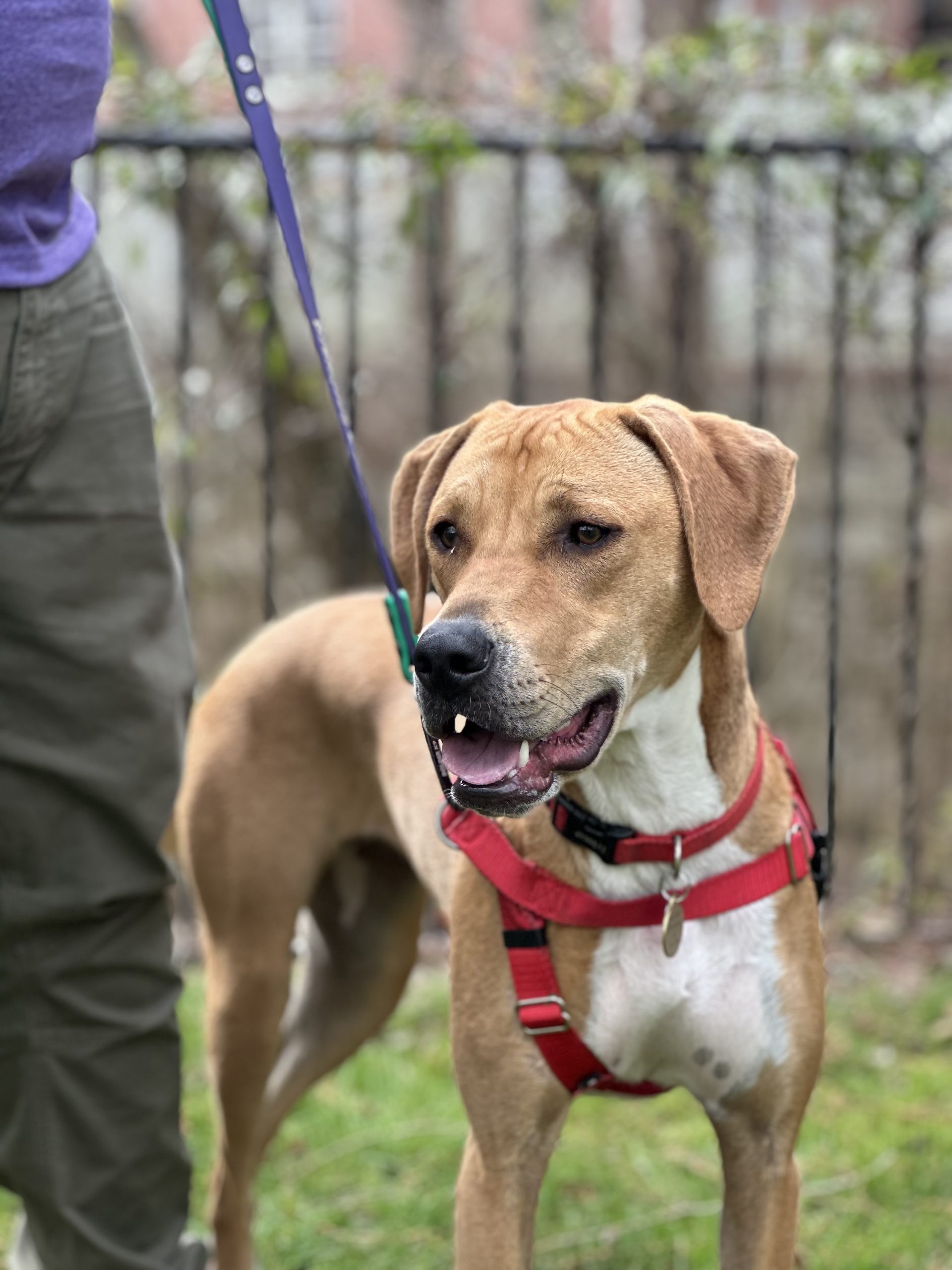
Spring has a way of waking up the city of Atlanta. Trees begin to bloom along neighborhood streets. Parks fill with people again. The air is warmer and full of new scents. For dogs, spring is not just a seasonal shift. It is a surge of stimulation.
If you are a dog parent in Atlanta, you may already notice the change in your dog’s behavior this time of year. They seem more alert during walks. They pause longer to sniff. Their energy rises earlier in the morning. Spring activates their senses in ways that winter does not.
At the same time, your life likely remains full. Work schedules do not slow down simply because the weather improves. Meetings, traffic, family responsibilities, and social commitments still fill your calendar. This is where many dog parents feel a quiet tension.
You love your dog and want them to enjoy the season. Yet you also feel stretched for time. When your dog becomes more energetic or restless, guilt often appears. You may wonder if you are doing enough.
That feeling is common among thoughtful dog parents. It also points to something important. Spring is the perfect time to reset your dog’s walk routine.
Why Spring Changes Your Dog’s Needs
Dogs experience the world primarily through scent and movement. During winter, many dogs receive shorter walks due to colder temperatures or darker evenings. When spring arrives, their environment becomes far richer.
More wildlife activity
New plant growth
More people and dogs outside
Warmer weather encouraging movement
These changes stimulate a dog’s brain. Research in canine behavior shows that sniffing and exploratory movement activate mental pathways that support emotional regulation. When dogs experience varied outdoor environments, they process information in ways that reduce stress and increase satisfaction.
Without regular outlets for this stimulation, your dog’s energy can build in ways that feel disruptive inside the home.
You may see pacing, barking, or bursts of hyperactivity during the evening. These behaviors are not signs that your dog is misbehaving. They are signals that their instincts are asking for engagement.
The Busy Atlanta Dog Parent Dilemma
Most Atlanta dog parents care deeply about their pets. The challenge is not love. It is time.
You may intend to take longer walks now that the weather is pleasant. But the reality of a workday can quickly interrupt those plans. Meetings run long. Commutes stretch out. Evening obligations appear unexpectedly.
Many dog parents try to compensate by squeezing in a quick walk before bed or rushing through a loop around the block. While any movement helps, rushed walks often miss an important element dogs need.
Enrichment.
Dogs benefit from time to explore the environment through their senses. A walk that allows sniffing, observation, and thoughtful movement can be far more satisfying than a fast paced walk focused only on distance.
What a Healthy Walk Routine Looks Like
A well balanced walking routine includes both physical movement and mental engagement. Instead of thinking only about how far your dog walks, it can help to think about how fulfilling the experience is.
A balanced walk often includes:
Time for sniffing and exploration
A comfortable walking pace
Exposure to different environments
Positive reinforcement of calm behavior
In many cases, a forty minute enrichment focused walk offers enough time for these elements to come together. Your dog moves, processes the environment, and returns home calmer than when they left.
When this type of walk happens consistently throughout the week, the benefits compound. Dogs become more relaxed indoors and more confident outdoors.
How Professional Walks Support Your Routine
Even the most dedicated dog parents cannot always maintain this rhythm alone. Work schedules and unexpected commitments make consistency difficult.
This is where professional dog walking can help maintain balance.
At Praline’s Backyard Dog Services, our approach focuses on enrichment rather than simply completing a walk. Each visit is structured to provide movement, exploration, and engagement that meets the dog’s needs on that particular day.
Some visits emphasize longer exploratory routes. Others focus on slower sniff walks that allow the dog to process scents and surroundings. Because every dog is different, no two visits look exactly the same.
This flexible approach ensures your dog receives meaningful stimulation even when your schedule is demanding.
A Simple Plan for a Spring Reset
If you would like to refresh your dog’s routine this season, start with a few small adjustments.
First, look at your current schedule. Identify days when work commitments make it difficult to provide a full walk. These are the days when professional support can be most valuable.
Second, focus on quality rather than speed during your own walks. Allow your dog to explore new scents and environments.
Third, create consistency. Dogs thrive when their routine becomes predictable.
For many households, two structured walks per week with a professional walker can provide the rhythm needed to balance energy levels. Combined with your own walks, this routine often creates a noticeable shift in behavior and mood.
The Outcome You Want
You want your dog to enjoy spring as much as you do. You want them to return from walks relaxed instead of restless. You want evenings that feel peaceful rather than chaotic.
Most of all, you want to know your dog’s needs are being met even when your schedule is full.
This outcome does not require perfection. It requires a routine that supports both your life and your dog’s instincts.
If you are ready to create a spring walking routine that works for your household, consider starting with a Dog Lifestyle Consultation. This conversation allows us to learn about your dog’s personality, energy level, and current routine so we can recommend the best approach.
When your dog’s days include consistent enrichment and movement, the results speak for themselves. A calmer dog. A more balanced household. A season that both of you can enjoy together.